Gin - 参数绑定到结构体

绑定到结构体

Go 的结构体支持通过标签(tag) 定义解析规则,Gin 框架会依据这些标签自动完成请求数据到结构体的绑定。例如 Name string "form:name" 会指定该字段对应请求中的 name 参数(不同绑定类型对 tag 的解析逻辑有差异,后续会详细说明)。

Gin 中核心绑定方法分为两大类别:ctx.Bind 系列和 ctx.ShouldBind 系列,它们的核心差异在于输入无效时的处理逻辑

  • Bind 系列:输入数据无效(如类型不匹配、必填项缺失)时,会自动返回 400 Bad Request 响应,并设置响应头 Content-Type: text/plain,同时中止后续处理;
  • ShouldBind 系列:仅返回绑定错误,不会主动修改响应状态码,也不会中止请求流程,需开发者自行处理错误逻辑。

两大类别下还提供了精准绑定方法,用于指定具体的数据来源,例如:

  • BindJSON/ShouldBindJSON:仅解析请求体中的 JSON 数据;
  • BindXML/ShouldBindXML:仅解析请求体中的 XML 数据;
  • BindForm/ShouldBindForm:仅解析表单(application/x-www-form-urlencoded)或查询参数(Query String);
  • 其他:BindYAMLBindTOML 等,对应不同数据格式。

通用结构体绑定(适配 GET/POST 多请求类型)

如果需要让同一个结构体适配 GET 请求(参数在 URL 查询串)和 POST 请求(参数在表单或 JSON 体),推荐使用 form 标签定义结构体——因为 GET 请求的参数只能通过 form 标签绑定,而 ShouldBind 会自动根据请求头 Content-Type 适配 POST 数据格式(表单/JSON 均可)。

完整代码示例

1
2
3
4
5
6
7
8
9
10
11
12
13
14
15
16
17
18
19
20
21
22
23
24
25
26
27
28
29
30
31
32
33
34
35
36
37
38
39
40
41
42
43
44
45
46
47
48
49
50
51
52
53
54
package main

import (
"fmt"

"github.com/gin-gonic/gin"
)

type Person struct {
Name string `form:"name"`
Age int `form:"age"`
Address string `form:"address"`
Phone string `form:"phone"`
Email string `form:"email"`
}

type Parse struct {
Name string `uri:"name"`
Age int `uri:"age"`
}

func main() {
r := gin.Default()

r.GET("/person", func(ctx *gin.Context) {
personHandler(ctx)
})
r.POST("/person", func(ctx *gin.Context) {
personHandler(ctx)
})

r.Run(":8080")
}

func personHandler(ctx *gin.Context) {
var person Person
if err := ctx.ShouldBind(&person); err == nil {
ctx.JSON(200, gin.H{
"message": fmt.Sprintf("you name is %s, age is %d, address is %s, phone is %s, email is %s", person.Name, person.Age, person.Address, person.Phone, person.Email),
"name": person.Name,
"age": person.Age,
"address": person.Address,
"phone": person.Phone,
"email": person.Email,
"person": person,
})
} else {
ctx.JSON(200, gin.H{
"error": err,
"person": person,
})
}

}

请求示例

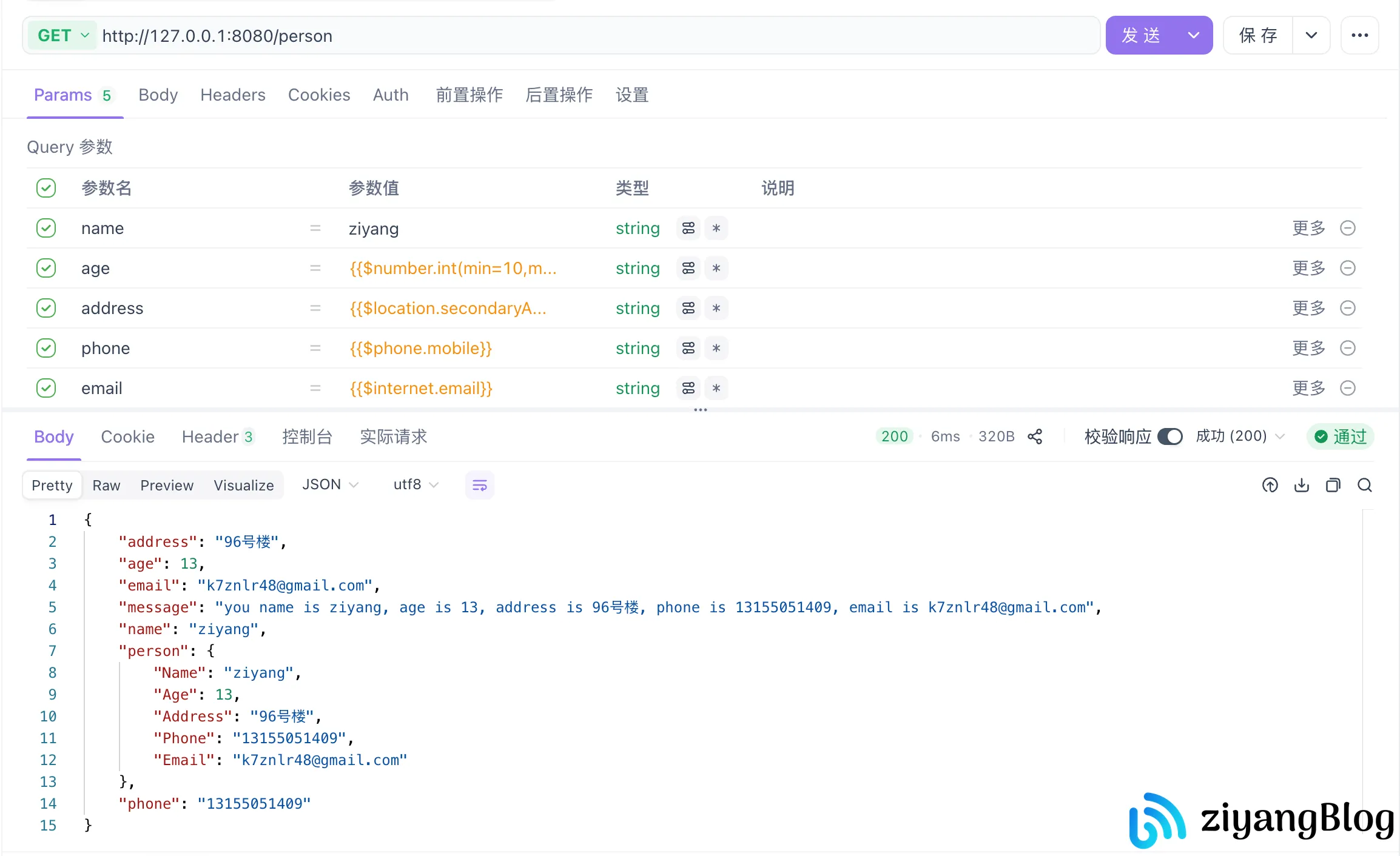
1. GET 请求(参数在 URL 查询串)

Gin - 参数绑定到结构体

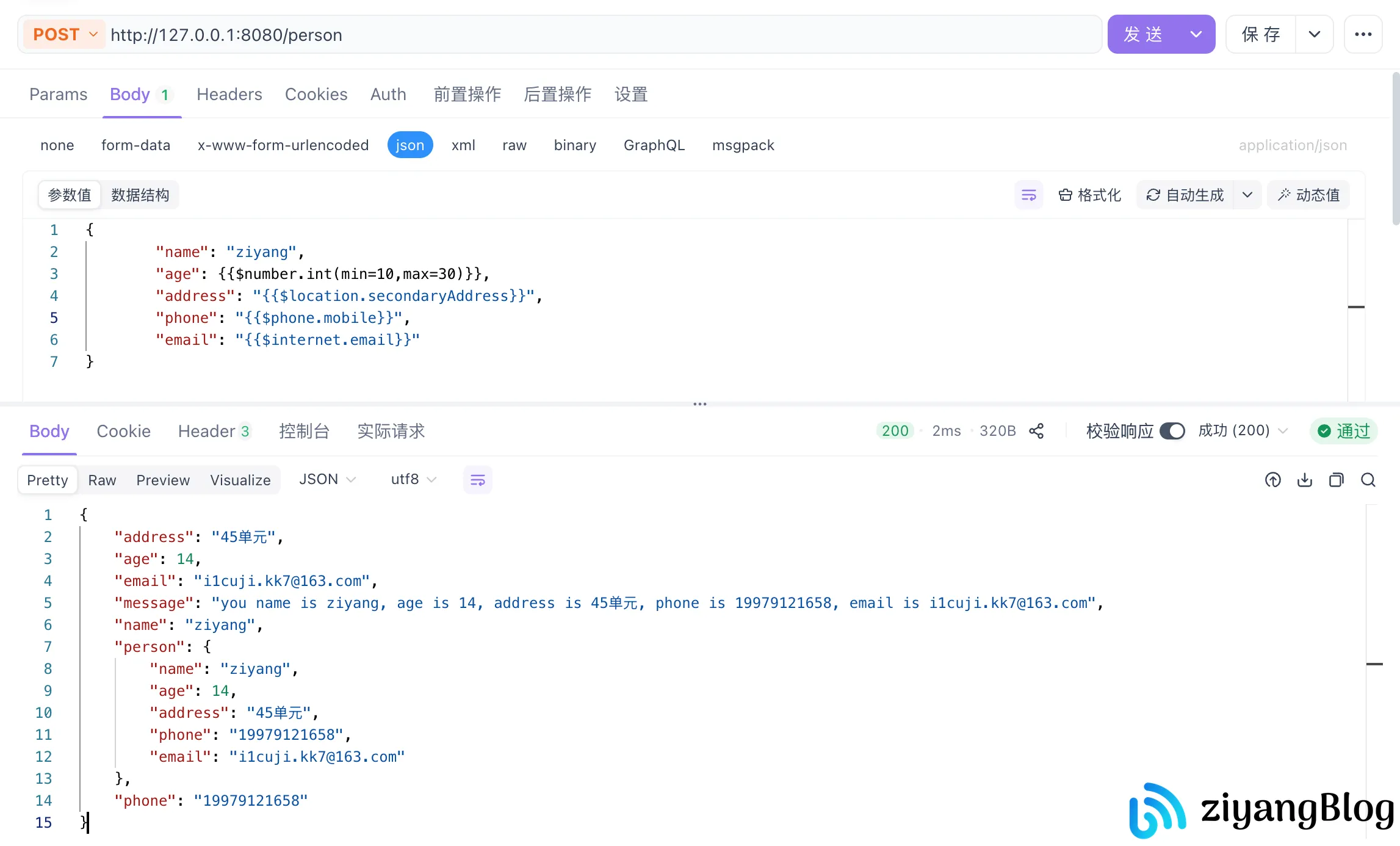
2. POST 请求(JSON 格式请求体)

Gin - 参数绑定到结构体

核心原理(源码视角)

ShouldBind 之所以能适配多种请求类型,是因为它会先根据请求头 Content-Type 判断数据格式,再调用对应的解析逻辑:

  1. JSON 解析(ShouldBindJSON):忽略结构体的 form 标签,直接通过字段名(大小写敏感)匹配 JSON 键名(如结构体 Name 对应 JSON 的 Namename,Gin 内部做了大小写兼容);
  2. 表单/查询串解析(ShouldBindForm):严格依赖 form 标签,通过 field.Tag.Get("form") 获取绑定的参数名,再通过反射将请求参数赋值给结构体字段;
  3. 其他格式(XML/YAML 等):逻辑与 JSON 类似,忽略 form 标签,按字段名匹配。

关键源码片段说明:

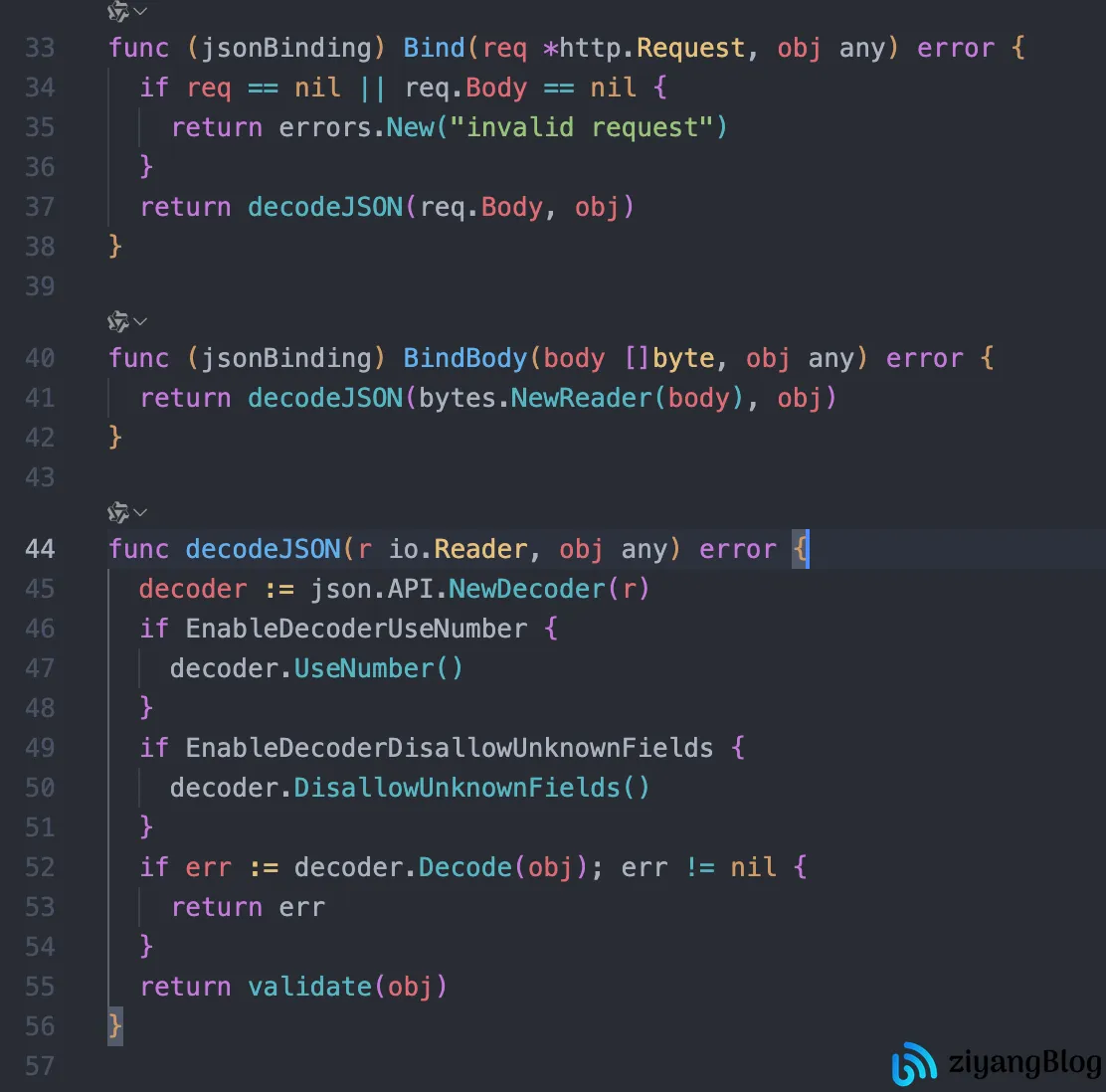
  • BindJSON:直接解析请求体为 JSON,不依赖 form 标签;
    Gin - 参数绑定到结构体
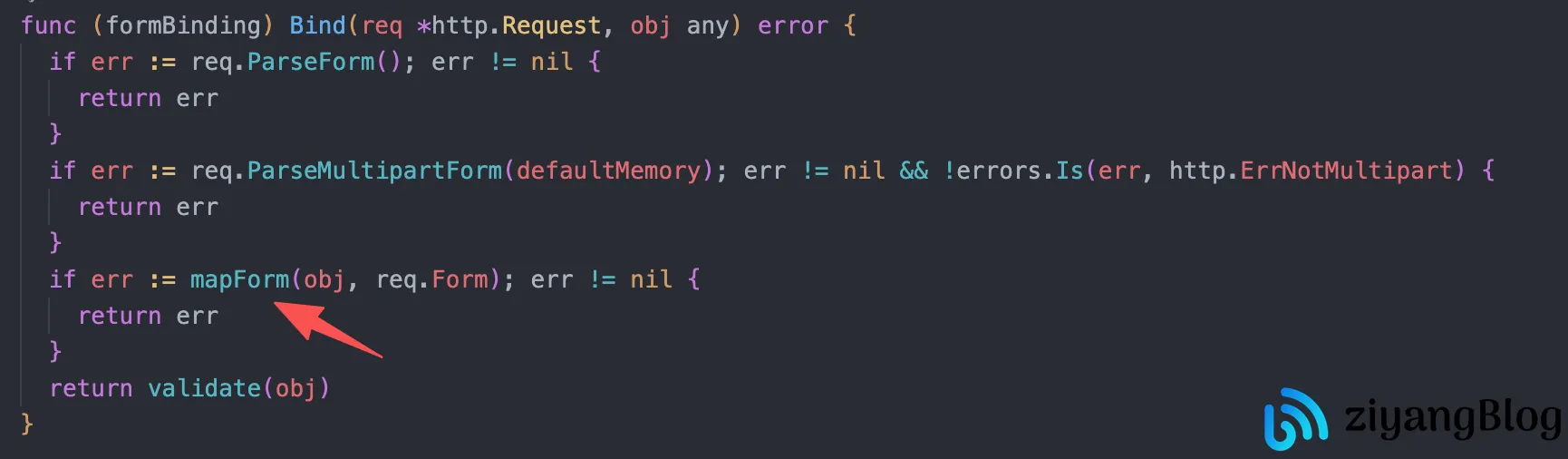
  • BindForm:调用 mapForm 方法,通过反射读取 form 标签,匹配请求参数;
    Gin - 参数绑定到结构体
  • mapForm:调用 mapFormByTag,通过反射遍历结构体字段;
    Gin - 参数绑定到结构体
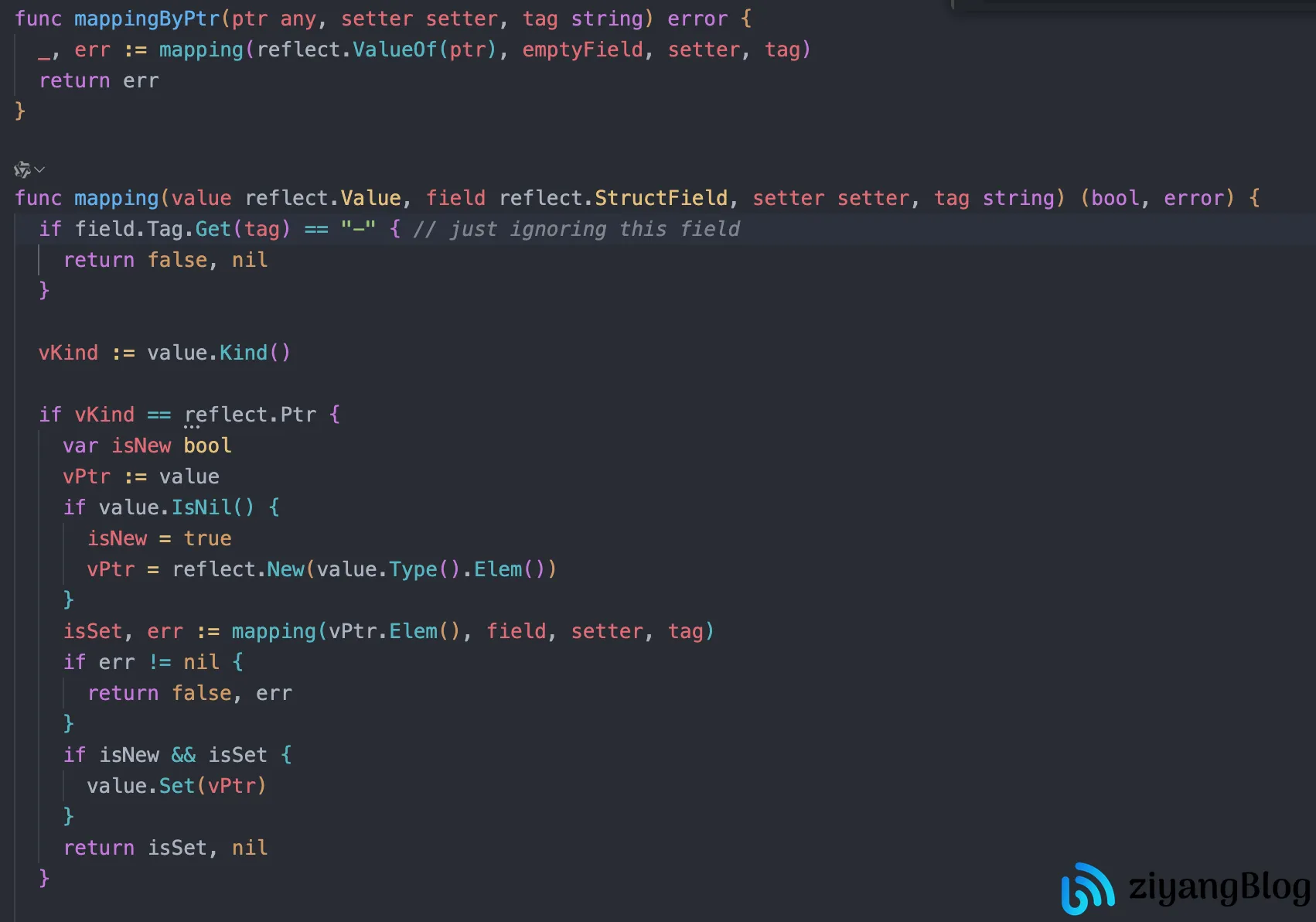
  • mappingByPtr/mapping:核心反射逻辑,通过 field.Tag.Get(tag) 提取 form 标签对应的参数名(如 field.Tag.Get("form")form:name 中获取 name),再从请求中提取值并转换类型。
    Gin - 参数绑定到结构体

特殊绑定:从 URL 路径绑定(BindURI)

大部分绑定方法(如 BindJSONBindForm)都是 Bind/ShouldBind 的快捷别名,最终都通过统一逻辑处理,但 BindURIShouldBindUri)是特例——它专门用于从 URL 路径参数(而非查询串)绑定数据,且必须使用 uri 标签定义结构体。

代码示例

1
2
3
4
5
6
7
8
9
10
11
12
13
14
15
16
17
18
19
20
21
22
23
24
25
26
27
28
package main

import (
"fmt"

"github.com/gin-gonic/gin"
)

type Parse struct {
Name string `uri:"name"`
Age int `uri:"age"`
}

func main() {
r := gin.Default()

r.GET("/path/:name/:age", func(ctx *gin.Context) {
var parse Parse
ctx.ShouldBindUri(&parse)
ctx.JSON(200, gin.H{
"message": fmt.Sprintf("you name is %s, age is %d", parse.Name, parse.Age),
"name": parse.Name,
"age": parse.Age,
})
})

r.Run(":8080")
}

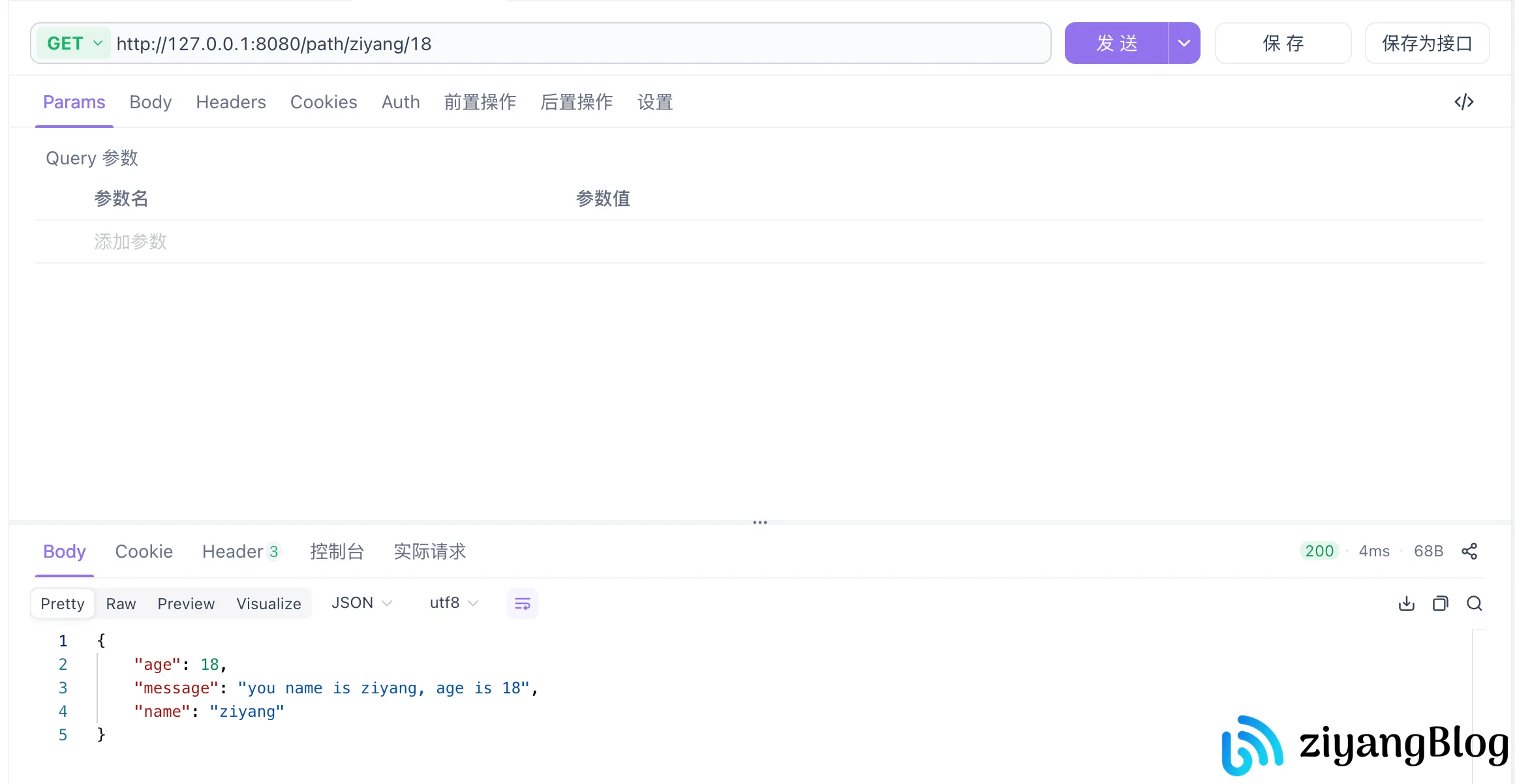
请求示例

Gin - 参数绑定到结构体


Gin - 参数绑定到结构体
https://blog.pangcy.cn/2025/11/21/后端编程相关/go/gin/Gin - 参数绑定到结构体/
作者
子洋
发布于
2025年11月21日
许可协议